Links:
Trans Youth Support
Showing posts with label Transexual. Show all posts
Showing posts with label Transexual. Show all posts
Friday, April 22, 2011

Tuesday, April 19, 2011
Food and drink to lower estrogen levels?
Page last modified on: October 1, 2008
Question from jiri: My wife has a recurrent breast cancer which is related to a high level of estrogen in her body. What kind of food and drinks can lower the level of estrogen in a woman's body?
Answers —David Grotto, R.D., L.D.: One of the things we do know that will increase risk for breast cancer is obesity, and we know especially if there's more fat that collects around the abdominal area, that can promote more circulating estrogens. There is an issue with weight management, because there's a concern with a diagnosis of breast cancer and being overweight at that diagnosis, having a poorer prognosis associated with that. Gaining weight during remission is also a concern.
Penny Block, M.A.: Even during treatment, when people can’t spend a lot of energy trying to lose weight, it might be poorer prognostically to gain weight. This is always a whole dietary plan, and we try to individualize for each patient.
David Grotto, R.D., L.D.: We know that whole grains, for example, have fibrous compounds that can block harmful estrogens and there is some good research showing the cultures that consume more whole grains, fresh fruits and vegetables, and legumes have lower rates of breast cancer not only because of the estrogen binding properties, but because of the general health benefits.
Penny Block, M.A.: Crucifers, for example - broccoli and cauliflower, and the lowly cabbage, because people don't always think of what a gem of a food it is. So even coleslaw is good, because cabbage contains a compound that shifts the estrogen to a safer form of it. It's a property in cabbage that is very healthy. Sometimes we're looking for more exotic foods, but even cabbage, which is available in every supermarket, has tremendous benefits.
David Grotto, R.D., L.D.: Out of all the vegetables—not that we're picking one over another, because vegetables in general are good for the diet—a doctor did some research into a phytochemical in cruciferous vegetables showing it blocked breast cancer growth. So besides the possible estrogen-blocking properties, there is a chance it affects programmed cell death.
Penny Block, M.A.: Dave is mentioning an important point, that there is something potentially more beneficial about the whole food rather than just the isolated compounds in that food. Another University of Illinois researcher talked about the beneficial effect of eating broccoli three times a week in terms of reducing risk value of cancer.
Judith Sachs, moderator: Broccoli three times a week sounds difficult. Can you give us some tips on preparing it?
David Grotto, R.D., L.D.: Broccoli ice cream…
Penny Block, M.A.: I think we can get into such seriousness about all this, but having fun with food (and I'm glad you're asking what to do with broccoli!) but what to do with good food is important. If food is just a nasty prescription we swallow three times a day, it's no good. And there is evidence that if we have pleasure in eating, we absorb the nutrients more effectively.
David Grotto, R.D., L.D.: Now for the broccoli tips! Again, we often come into this situation talking about an optimal diet, but how do you make it doable? Think of vegetables beyond a couple of cooked stalks of broccoli on a plate. It can be in a soup, a juice, frozen, fresh—there's a variety of ways to include it. And with broccoli or other vegetables that may be a challenge, that's been a dilemma we've addressed for years. We finally decided to produce an organic green vegetable drink that can be easily incorporated into a beverage, a juice, pesto, etc.
Penny Block, M.A.: Getting back to what to do if you want to use broccoli? But quickly steam it so it's still a vibrant green, so it's still crisp. The green may actually be more vibrant at this point than when it's raw. Serve it with a dip, or slightly sauté it with a good quality extra virgin olive oil and garlic. You could certainly incorporate some of it in a pasta sauce. A creamed broccoli soup. It's easy to make creamed broccoli or mushroom soup, using oats cooked in water. If you puree it, it's quite creamy. So cook your broccoli with garlic, onions, oregano, etc. then put it in this creamy oatmeal liquid that's been seasoned to taste, and puree to make a nice creamy soup which is often more pleasing to the digestion.
David Grotto, R.D., L.D.: Not to gloss over the importance of whole grains, but again, following Penny's great suggestion to add oats, there is also some bang for the buck in fighting cancer. Oats are rich in a substance found to enhance natural killer cell activity. It's like the game Pac Man, where these little guys go out and gobble up cancer cells. You want those cells in your body to have highest activity, and oats may enhance that.
Penny Block, M.A.: There are some vegetables, particularly hearty green vegetables like kale, collards, etc. but even carrots, cooking them seems to break down the tough cellulose wall which makes it more difficult to absorb the nutrients if they're not cooked. This doesn't mean you can't eat raw vegetables, only that there is a benefit in cooking them. There are some people in my family that don't want crunchy cooked vegetables; they want them cooked more so they're softer. So cooking them until they're crunchy is not the only way to cook them.
Judith Sachs, moderator: When the transcript for this chat is posted, we'll include some of the recipes from Penny's cookbook.
David Grotto, R.D., L.D.: And we have new recipes we post to our website, www.blockmd.com. We just did a presentation on TV where we talked about foods for fighting breast cancer specifically. Some of the recipes we features showed creative ways to eat dark greens. We actually had a roasted vegetable spinach wrap sandwich. Admittedly, the amount of spinach in the wrap was at low levels, but some is better than none!
One last comment about raw vegetables, because I know we're talking about reducing risk of breast cancer. But if you're undergoing treatment for breast cancer, especially treatments that can lower your white blood cell count, there can be increased risk of bacterial infection (food poisoning, if you will) when you have low white blood cell counts. So that's why we strongly encourage you to cook vegetables to kill bacteria that are on vegetables.
Penny Block, M.A.: It doesn't mean you have to eliminate raw vegetables, because a cool fresh salad in summer is so refreshing. But maybe for a day or two, people need to be more cautious. One of the things that Dave and his team of dieticians do is to counsel our patients so they know what is appropriate for them at any given time. We use tests to determine their biochemical statuses. But when the while blood cell count is low, use a little caution for a day or so.
On Wednesday, July 20, 2005, our Ask-the-Expert Online Conference was called Buying Healthy Food and Drink. Penny B. Block, M.A., David W. Grotto, R.D., L.D., and moderator Judith Sachs answered your questions about finding, buying, and preparing the healthiest food and drink for people with breast cancer and their families.
Question from jiri: My wife has a recurrent breast cancer which is related to a high level of estrogen in her body. What kind of food and drinks can lower the level of estrogen in a woman's body?
Answers —David Grotto, R.D., L.D.: One of the things we do know that will increase risk for breast cancer is obesity, and we know especially if there's more fat that collects around the abdominal area, that can promote more circulating estrogens. There is an issue with weight management, because there's a concern with a diagnosis of breast cancer and being overweight at that diagnosis, having a poorer prognosis associated with that. Gaining weight during remission is also a concern.
Penny Block, M.A.: Even during treatment, when people can’t spend a lot of energy trying to lose weight, it might be poorer prognostically to gain weight. This is always a whole dietary plan, and we try to individualize for each patient.
David Grotto, R.D., L.D.: We know that whole grains, for example, have fibrous compounds that can block harmful estrogens and there is some good research showing the cultures that consume more whole grains, fresh fruits and vegetables, and legumes have lower rates of breast cancer not only because of the estrogen binding properties, but because of the general health benefits.
Penny Block, M.A.: Crucifers, for example - broccoli and cauliflower, and the lowly cabbage, because people don't always think of what a gem of a food it is. So even coleslaw is good, because cabbage contains a compound that shifts the estrogen to a safer form of it. It's a property in cabbage that is very healthy. Sometimes we're looking for more exotic foods, but even cabbage, which is available in every supermarket, has tremendous benefits.
David Grotto, R.D., L.D.: Out of all the vegetables—not that we're picking one over another, because vegetables in general are good for the diet—a doctor did some research into a phytochemical in cruciferous vegetables showing it blocked breast cancer growth. So besides the possible estrogen-blocking properties, there is a chance it affects programmed cell death.
Penny Block, M.A.: Dave is mentioning an important point, that there is something potentially more beneficial about the whole food rather than just the isolated compounds in that food. Another University of Illinois researcher talked about the beneficial effect of eating broccoli three times a week in terms of reducing risk value of cancer.
Judith Sachs, moderator: Broccoli three times a week sounds difficult. Can you give us some tips on preparing it?
David Grotto, R.D., L.D.: Broccoli ice cream…
Penny Block, M.A.: I think we can get into such seriousness about all this, but having fun with food (and I'm glad you're asking what to do with broccoli!) but what to do with good food is important. If food is just a nasty prescription we swallow three times a day, it's no good. And there is evidence that if we have pleasure in eating, we absorb the nutrients more effectively.
David Grotto, R.D., L.D.: Now for the broccoli tips! Again, we often come into this situation talking about an optimal diet, but how do you make it doable? Think of vegetables beyond a couple of cooked stalks of broccoli on a plate. It can be in a soup, a juice, frozen, fresh—there's a variety of ways to include it. And with broccoli or other vegetables that may be a challenge, that's been a dilemma we've addressed for years. We finally decided to produce an organic green vegetable drink that can be easily incorporated into a beverage, a juice, pesto, etc.
Penny Block, M.A.: Getting back to what to do if you want to use broccoli? But quickly steam it so it's still a vibrant green, so it's still crisp. The green may actually be more vibrant at this point than when it's raw. Serve it with a dip, or slightly sauté it with a good quality extra virgin olive oil and garlic. You could certainly incorporate some of it in a pasta sauce. A creamed broccoli soup. It's easy to make creamed broccoli or mushroom soup, using oats cooked in water. If you puree it, it's quite creamy. So cook your broccoli with garlic, onions, oregano, etc. then put it in this creamy oatmeal liquid that's been seasoned to taste, and puree to make a nice creamy soup which is often more pleasing to the digestion.
David Grotto, R.D., L.D.: Not to gloss over the importance of whole grains, but again, following Penny's great suggestion to add oats, there is also some bang for the buck in fighting cancer. Oats are rich in a substance found to enhance natural killer cell activity. It's like the game Pac Man, where these little guys go out and gobble up cancer cells. You want those cells in your body to have highest activity, and oats may enhance that.
Penny Block, M.A.: There are some vegetables, particularly hearty green vegetables like kale, collards, etc. but even carrots, cooking them seems to break down the tough cellulose wall which makes it more difficult to absorb the nutrients if they're not cooked. This doesn't mean you can't eat raw vegetables, only that there is a benefit in cooking them. There are some people in my family that don't want crunchy cooked vegetables; they want them cooked more so they're softer. So cooking them until they're crunchy is not the only way to cook them.
Judith Sachs, moderator: When the transcript for this chat is posted, we'll include some of the recipes from Penny's cookbook.
David Grotto, R.D., L.D.: And we have new recipes we post to our website, www.blockmd.com. We just did a presentation on TV where we talked about foods for fighting breast cancer specifically. Some of the recipes we features showed creative ways to eat dark greens. We actually had a roasted vegetable spinach wrap sandwich. Admittedly, the amount of spinach in the wrap was at low levels, but some is better than none!
One last comment about raw vegetables, because I know we're talking about reducing risk of breast cancer. But if you're undergoing treatment for breast cancer, especially treatments that can lower your white blood cell count, there can be increased risk of bacterial infection (food poisoning, if you will) when you have low white blood cell counts. So that's why we strongly encourage you to cook vegetables to kill bacteria that are on vegetables.
Penny Block, M.A.: It doesn't mean you have to eliminate raw vegetables, because a cool fresh salad in summer is so refreshing. But maybe for a day or two, people need to be more cautious. One of the things that Dave and his team of dieticians do is to counsel our patients so they know what is appropriate for them at any given time. We use tests to determine their biochemical statuses. But when the while blood cell count is low, use a little caution for a day or so.
On Wednesday, July 20, 2005, our Ask-the-Expert Online Conference was called Buying Healthy Food and Drink. Penny B. Block, M.A., David W. Grotto, R.D., L.D., and moderator Judith Sachs answered your questions about finding, buying, and preparing the healthiest food and drink for people with breast cancer and their families.
Saturday, April 16, 2011
Food & Estrogen
Foods that contain natural estrogen
Alfalfa
Animal flesh
Anise seed
Apples
Baker's yeast
Barley
Beets
Carrots
Cherries
Chickpeas (garbanzo beans)
Clover
Cowpeas (black- eyed peas)
Cucumbers
Dairy Foods
Dates
Eggs
Eggplant
Fennel
Flaxseeds
Garlic
Hops
Licorice
Oats
Olive oil
Olives
Papaya
Parsley
Peas
Peppers
Plums
Pomegranates
Potatoes
Pumpkin
Red beans
Red clover
Rhubarb
Rice (relatively high)
Sage
Sesame seeds
Soybean sprouts
Soybeans
Split peas
Sunflower seeds
Tomatoes
Wheat
Yams
Estrogen Inhibiting Foods
If you are suffering from breast cancer, PMS, fibroids, ovarian cysts, and other situations that estrogen might exacerbate, the following estrogen inhibiting foods might be of interest to you.
Berries
Broccoli
Buckwheat
Cabbage
Citrus Foods
Corn
Figs
Fruits (except apples, cherries, dates, pomegranates)
Grapes
Green beans
Melons
Millet
Onions
Pears
Pineapples
Squashes
Tapioca
White rice
White flour
Links:
HRT & Menopause
Alfalfa
Animal flesh
Anise seed
Apples
Baker's yeast
Barley
Beets
Carrots
Cherries
Chickpeas (garbanzo beans)
Clover
Cowpeas (black- eyed peas)
Cucumbers
Dairy Foods
Dates
Eggs
Eggplant
Fennel
Flaxseeds
Garlic
Hops
Licorice
Oats
Olive oil
Olives
Papaya
Parsley
Peas
Peppers
Plums
Pomegranates
Potatoes
Pumpkin
Red beans
Red clover
Rhubarb
Rice (relatively high)
Sage
Sesame seeds
Soybean sprouts
Soybeans
Split peas
Sunflower seeds
Tomatoes
Wheat
Yams
Estrogen Inhibiting Foods
If you are suffering from breast cancer, PMS, fibroids, ovarian cysts, and other situations that estrogen might exacerbate, the following estrogen inhibiting foods might be of interest to you.
Berries
Broccoli
Buckwheat
Cabbage
Citrus Foods
Corn
Figs
Fruits (except apples, cherries, dates, pomegranates)
Grapes
Green beans
Melons
Millet
Onions
Pears
Pineapples
Squashes
Tapioca
White rice
White flour
Links:
HRT & Menopause
Friday, April 15, 2011
Supplement People take to Transition
Phyto-Estrogen
Spironalactone
Peppermint Oil
Prempo
Tobacco
Breaking Research
Links:
Online Forum
BBC News - Spearmint Tea
Spironalactone
Peppermint Oil
Prempo
Tobacco
here are actually some foods that block testosterone that women are able to consume. One of the most important one is some foods that contain high level of protein. Some foods like milk, egg, cheese, and fish will be the sources of protein that you should avoid very well if you want to reduce the amount of testosterone in your body. Changing those kinds of foods with fruit and vegetables might be really good for you to increase your estrogen, instead of your testosterone.
The other kinds of foods that block testosterone are tobacco. So, for men who like to smoke should be really careful with the lack of testosterone of the tobacco they have smoked. Meanwhile, for women, it somehow is a good idea to reduce the testosterone by smoking. Yet, you have to think very carefully about the negative consequences that you are going to get if you are smoking. Similar to tobacco, alcohol and marijuana are also becoming really good for you who are willing to reduce the level of testosterone in your body. But, you are not actually suggested to consume those things, since they can be dangerous for your health.
Studies have shown that spearmint tea can help block androgens in the body, which we all know lend themselves to hormonal acne and oily skin. They also say that it can help with excess hair growth in women, which is another symptom of over-production.
I haven't tried it, but am going to as soon as I find a decaf version of the tea. What do you guys think about this?
Breaking Research
Tea 'controls female hair growth'
Spearmint tea may help to control excessive hair growth in women, say Turkish researchers.
Drinking the tea twice a day, reduced levels of male sex hormones, which can cause excessive hair growth (hirsutism) on the stomach, breasts and face.
Treatment for hirsutism, usually involves drugs to reduce the levels of androgen or male hormones in the body.
Writing in Phytotherapy Research, the Turkish scientists said spearmint could be a good natural alternative therapy.
Hirsutism is rarely caused by a serious illness but excess hair growth in women can cause distress or embarrassment.
“ This study shows that spearmint could be a good natural alternative for women who have mild symptoms ”
Professor Mehmet Numan Tamer, study leader
In some cases, hirsutism may be a result of an underlying medical disorder, such as polycystic ovary syndrome.
All women produce small amounts of the male sex (or androgen) hormones, which includes testosterone, but it is the over production of the hormones that leads to excessive hair growth.
According to the researchers, extracts of spearmint plant (Mentha spicata Labiatae) had been reported to reduce libido in men in a town called Isparta in southwest Turkey, possibly due to reduced androgen hormone levels.
To look at the effects in women, 21 volunteers with hirsutism, 12 of whom had polycystic ovary syndrome, were given a cup of spearmint tea twice a day for five days in the follicular (when the ovarian follicle develops) phase of their menstrual cycle.
They made the tea by pouring a cup (250ml) of boiling water over one heaped teaspoon (5g) of dried leaves, and leaving it for five to 10 minutes.
Testosterone
The researchers found a significant decrease in free (active) testosterone in the blood and an increase in several female hormones including follicle-stimulating hormone.
However, there was no decrease in overall testosterone levels, suggesting that more of the hormone was bound to protein in the bloodstream and was inactive.
Spearmint could affect the metabolism of hormones such as testosterone or directly affect synthesis of androgen hormones, the researchers suggest.
More work is needed to test the reliability of spearmint in treating mild hirsutism, warned lead researcher, Professor Mehmet Numan Tamer.
"Current therapies use either oral contraceptives to suppress androgen production, or medications such as spironolactone that prevent the body responding to androgen - but this study shows that spearmint could be a good natural alternative for women who have mild symptoms.
"We now need to do further studies to test the reliability of this finding, and to see the extent to which the reduced androgens do help women with mild hirsutism," she said.
Professor Richard Sharpe, principal investigator at the MRC Human Reproductive Sciences Unit in Edinburgh said the study was yet another indication that naturally occurring plant products can have an effect on human hormones.
But he warned that women suffering from hirsutism or polycystic ovary syndrome needed proper medical treatment.
"It's a relatively modest change and they haven't shown in this study if it would have any consequence for the women.
"For a lot of plant derived compounds, it's difficult to take it from this type of general observation to study the mechanisms and finding what the active compound is.
"If you suffer from hirsutism or polycystic ovary syndrome you would want to get a thorough work up and conventional treatment, as it depends what it causing it," he said.
The best known plant for natural anti androgen food is 3, 3’-Diindolylmethane (DIM). It is very effective plant as an anti androgen. The next natural anti androgen food is spearmint tea. Spearmint tea has anti androgenic properties in females with hirsutism. Female may use this natural anti androgen food to prevent biologic effect of androgen. The third plant is scutellaria baicalensis which is also has anti androgenic properties. An herbal formula (termed KMKKT) containing Korean Angelica gigas Nakai (AGN) root and nine other oriental herbs have shown in vitro anti-androgen activity. The last herb that is also including as natural anti androgen food is Pygeum africanum. Pygeum africanum contains an anti androgenic compound atraric acid. Those are some natural anti androgen food that are quite effective and capable to prevent the biologic effects of androgen.
Links:
Online Forum
BBC News - Spearmint Tea
Thursday, March 24, 2011
Tuesday, March 15, 2011
Transgender Documentary

"Tanner IV, probably started
hormones as young teenager"

"Good size Tanner V,
started hormones age 13"
Links:
Groove Film - Transgender
Breast Development
Transgender Breast Development
Friday, March 11, 2011
Presis (Pre-Thesis)
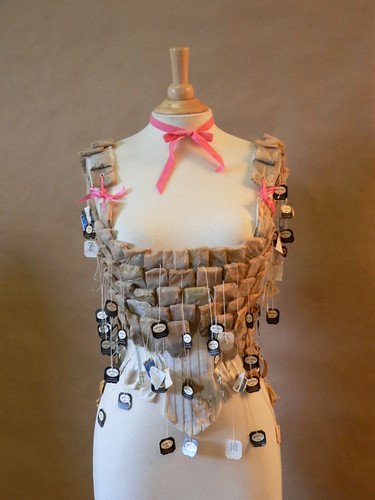
I want to create a product called T-Time. It is a tea bag that contains herbs with estrogen hormones for those who are interested in Male to Female transitioning. This product would be great for those who want to make changes to their body without taking artificial hormones and surgery. Along with the tea product, there will be supplemental material. I want to produce a zine with a diverse group of transsexuals and their experience. A website would also contain additional contents from the zine and allow users to interact with others.
Monday, March 7, 2011
References
Resources:
Gay Center
Callen-Lorde Community Health Center
Downetime
APICHA
People:
Some names are pending approval.
Organizations:
Sex Clubs & Venues:
Gay Center
Workshops the Gay Center is offering
• Connected in Recovery: Trans & Gender Non-Conforming Focus
Monday, March 14, 2011 - 7:00pm – 8:30pm
• Life Coaching for Gay & Bisexual Men and Trans/GNC People
Monday, March 14, 2011 - 7:30pm – 9:00pm
• Life Coaching For Lesbian & Bisexual Women and Trans/GNC People
Monday, March 14, 2011 - 7:30pm – 9:00pm
Callen-Lorde Community Health Center
They are familiar with Trans issues, from transitioning and questioning
Downetime
Downetime is a monthly safe space for queer Asian men/trans folk ages 18-26 to connect with each other and discuss issues and shared experiences relating to identity, community and activism.
APICHA
Group Organizations Include
• Project Connect
• EquAsian
People:
• Shana Agid
(professor)
• Jennifer S.
(Doctor at Callen-Lorde)
• Malaika Ali
(Transexual MTF)
• Charlie Solidium
(Trans Man FTM)
• Farrah F.
(Transexual MTF)
• Maxxie M.
(MAC Artist, former MTF)
• Jennifer Rauh
(Transexual MTF)
• Rebecca Samuels
(Transexual MTF)
• Jackie Wu
(Cross Dresser)
• Paula Rosenberg
(Organizer of Safe Zone at The New School)
Some names are pending approval.
Organizations:
FIERCE
Quorum Forum
Submit
HMI + Salga
Sex Clubs & Venues:
Eden's Underground - Private parties 4 transgender, TGyrl, Trans, Tranny, Transvestite, Transsexual, Cross Dresser and Admirers
Hamachi's Restauran - INA Party Every sat. 11 pm @ Hamachi (20th bet park and broadway)
Karma Lounge - 51 First Ave East Village 3-4 Sts(Downstairs)
GIP Support Group
"That's My Jam"
Friday, March 4, 2011
The Third Gender
For transwomen, taking estrogens causes among other changes:
* The growth of breasts, with concomitant enlargement of the nipples.
* Redistribution of body fat.
* Thinning of skin.
For male-to-female transgendered people, HRT often includes antiandrogens in addition to the estrogens and progestogens mentioned above.
HRT does not usually cause facial hair growth to be impeded or the voice to change.
Irreversible changes
* breast development,
* enlarged nipples and areolae
* stretch marks (for some)
Reversible changes
* decreased libido,
* redistribution of body fat,
* reduced muscle development,
* various skin changes,
* significantly reduced body hair
* change in body odor and sweat production,
* less prominence of veins,
* ocular changes,
* gonadal size
Links:
Physical Attractiveness
Scientific American - Third Gender
BBC - Laos tackles transsgender taboos
Intersex Society of North America - Raising kids in a "Third Gender"?
My Husband Betty - en|Gender
Resources:
Gay Center
Callen-Lorde Community Health Center
* The growth of breasts, with concomitant enlargement of the nipples.
* Redistribution of body fat.
* Thinning of skin.
For male-to-female transgendered people, HRT often includes antiandrogens in addition to the estrogens and progestogens mentioned above.
HRT does not usually cause facial hair growth to be impeded or the voice to change.
Irreversible changes
* breast development,
* enlarged nipples and areolae
* stretch marks (for some)
Reversible changes
* decreased libido,
* redistribution of body fat,
* reduced muscle development,
* various skin changes,
* significantly reduced body hair
* change in body odor and sweat production,
* less prominence of veins,
* ocular changes,
* gonadal size
Links:
Physical Attractiveness
Scientific American - Third Gender
BBC - Laos tackles transsgender taboos
Intersex Society of North America - Raising kids in a "Third Gender"?
My Husband Betty - en|Gender
Resources:
Gay Center
Callen-Lorde Community Health Center
Sunday, February 27, 2011
Body Impolitic
"The portraits are distanced and deliberately constructed, with serious artifice and commercial quality polish. They’re also striking, and effectively make both their aesthetic and social change points. It’s powerful work that I’m not completely comfortable with, and definitely need to think more about.
Central to this new work is a group of five photographs titled Teen and Transgender Comparative Study, which parallels two puberties: one biological, the other chemical/surgical. Over the course of a year, White worked to identify teen and male-to-female transsexual subjects who, when viewed together, would create a visual bridge between female adolescence and male-to-female sexual transformation".


In the images in White’s series, both figures are blossoming into womanhood, though each along a different path. As observers, however, we have been taught to view the subjects in much the same way: with sheer terror. (Andrew Womak, The Morning News)
Links:
Body Impolitics
Second Type Woman
Central to this new work is a group of five photographs titled Teen and Transgender Comparative Study, which parallels two puberties: one biological, the other chemical/surgical. Over the course of a year, White worked to identify teen and male-to-female transsexual subjects who, when viewed together, would create a visual bridge between female adolescence and male-to-female sexual transformation".
In the images in White’s series, both figures are blossoming into womanhood, though each along a different path. As observers, however, we have been taught to view the subjects in much the same way: with sheer terror. (Andrew Womak, The Morning News)
Links:
Body Impolitics
Second Type Woman
Wednesday, February 23, 2011
Monday, February 21, 2011

Subscribe to:
Posts (Atom)